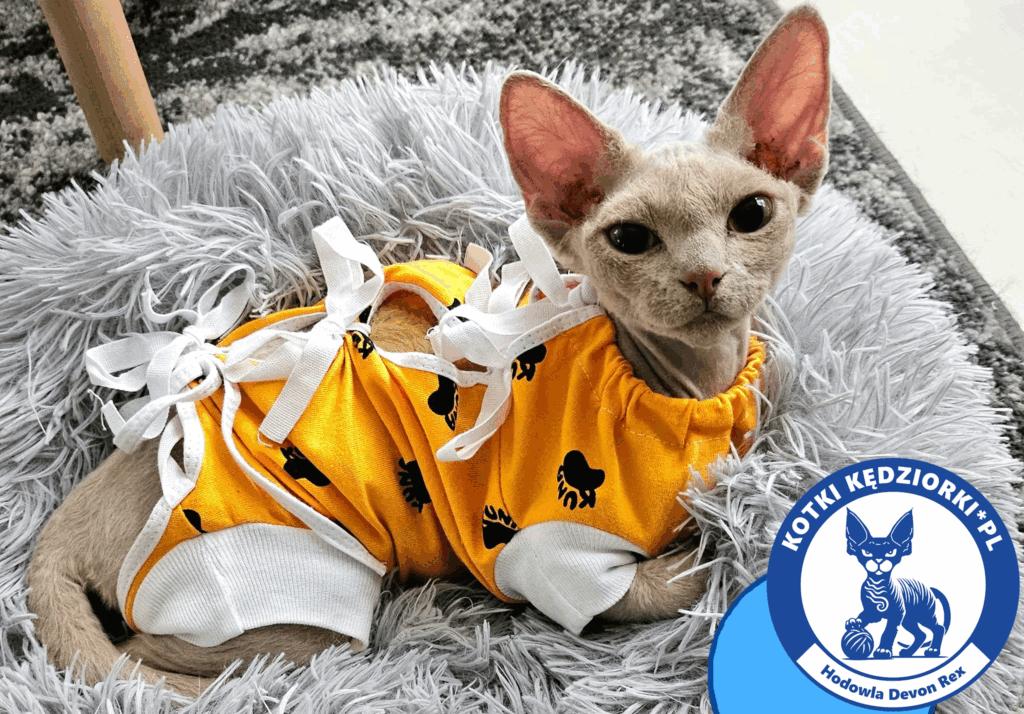
Pain in cats is one of the most underestimated topics in their everyday care. Not because cats rarely suffer – but because show pain quite differently from what we expect. They do not cry out. They do not ask. Often quite the opposite – they hide, withdraw, „shut down”.
At our Kotki Kędziorki*PL cattery we had certain situations where a quick reaction saved a cat's health or ensured that chronic pain didn't develop. New carers of our little ones reported similar things to us – thanks to their vigilance and sensitivity to the signals, they were able to react in time. And that's exactly the point: not about panic, but about attentiveness.
We want this guide to helped you recognize pain early – before it becomes serious or sets in as chronic.
Why do cats hide pain?
Cats – regardless of breed – are evolutionarily both predators and animals exposed to attack from stronger opponents. Showing weakness = risk.
That is why a cat that suffers, will not cry, it will not cry out in pain (as dogs can). Instead it will change the way it moves, its daily rituals, its reactions to touch, its level of activity or its appetite.
They are subtle signals that are easy to miss – especially if you do not know what to look for.
Devon Rexes are specific here: contact-loving, cheerful, energetic by nature, they often signal that something is „wrong” mainly through a decline in its normal activity. If a Devon suddenly does not come to bed, does not greet you at the door or stops running after you around the flat – it is a signal that must not be ignored.
The most common symptoms of pain in cats
A few things you need to pay attention to:
- Changes in movement: avoiding jumps, walking more cautiously, stiffness in the morning, limping (unevenness of gait), sudden hiding… We often hear: „he is just like that, that is his charm”. No. A healthy cat does not have such charm.
- Problems with appetite or sabotaging the bowl: cats in pain eat less – or not at all. In the case of Devons, which by nature eat willingly, a refusal to eat almost always means a problem.
- Changes in behavior and contact: apathy, irritability, avoiding touch, unusual aggression, withdrawal from people and cats. In our cattery we always treat such changes as an alarm signal.
- Unusual body positions: A hunched posture, the cat „loaf” (but very stiff), tensing the belly, tucking in the tail, frequent changes of place.
- Changes in hygiene: excessive licking of one spot, neglecting the fur, avoiding the litter box – Devons usually take very thorough care of their fur – so if they stop, it is for some reason.
Acute pain vs. chronic pain – differences you need to know
Acute pain (injury, sprain, inflammation) is easier to notice: the cat suddenly changes its behaviour.
Chronic pain (joints, teeth, spine, internal diseases) develops slowly and is much more dangerous – because the cat gets used to it, the nervous system changes, the symptoms may be minimal, the suffering grows, but “quietly”. That is why you must not ignore even small changes.
Common owner mistakes – and how to avoid them
Inexperienced owners can often think:
- “It's probably old age”
- “He's always like that”
- “I'll wait a day or two”
- “If it doesn't meow, it doesn't hurt”
Cats almost never do not meow from pain. If they meow, it usually means that the situation is already very serious. In practice – also from the experiences of the new families of our cats – most often the carer regrets exactly this: “We should have gone earlier”.
When to react immediately?
- sudden lack of appetite
- sudden aggression or apathy
- sudden changes in gait
- sensitivity to touch
- an arched posture
- refusal to drink
- stillness, drowsiness
- vomiting combined with lethargy
- breathing problems
With pain we do not wait “until tomorrow”.
What to do when you suspect pain in a cat?
- Observe – compare the behaviour with the normal one. A Devon changes its routines very clearly.
- Secure the cat – limit jumping, make sure it stays warm and calm.
- Contact your veterinarian – preferably right away, describing the specific symptoms.
- Do not give human medications – this is a common mistake and a huge danger.
- Take care of diagnostics – blood tests, X-rays, ultrasound can quickly dispel doubts.
In many cases, the families of our little ones said: „I thought I was overreacting, but I preferred to go. And it was good that I went”. This is the best approach.
How does this look at the Kotki Kędziorki*PL cattery?
We take care that every kitten is not only healthy, but also raised with such an amount of contact, observation and care that changes in behaviour are noticed immediately. When something worries us – we react.
We have managed to catch the first symptoms of a problem before the cat showed „something serious”. In the new homes there were also minor incidents – all the carers who reacted quickly were glad that „something prompted them”.
This is exactly the key: trust your intuition, but verify it with a specialist.
Why is it worth being alert but not panicking?
Because a cat in pain does not make a drama – it withdraws. And the longer the pain lasts, the harder it is to treat.
The good news is that most problems, if caught early, can be treated quickly and without long suffering for the animal.
Summary
• Cats feel pain just like humans – they simply do not show it.
• The most important signals are changes in movement, appetite, hygiene and contact.
• The carer knows their cat best – even a subtle change may be a signal.
• Devon Rexes are very expressive, so any change in their behaviour is diagnostically valuable.
• It is better to go “just in case” than too late.
If you have the impression that „something is wrong” – you are probably right. And a quick reaction can be an enormous relief for the cat.
Other interesting posts
Top 10 signs your Devon Rex is happy and healthy
Here are 10 signs that your Devon Rex is happy and healthy! From bright eyes to energy for play – check how to recognize their well-being. Practical tips will help you nurture a special bond with your cat so they can enjoy life by your side every day.
How and where to look for reviews of a cat cattery – 5 places to check
Choosing a cattery is one of the most important decisions a future cat owner makes. It is the breeder who determines not only the health and temperament of your future pet, but also the first experiences and socialisation that shape a cat's personality for life. That's why, before you decide to get in touch or reserve a kitten – it's worth carefully checking reviews about the cattery. Only... where […]
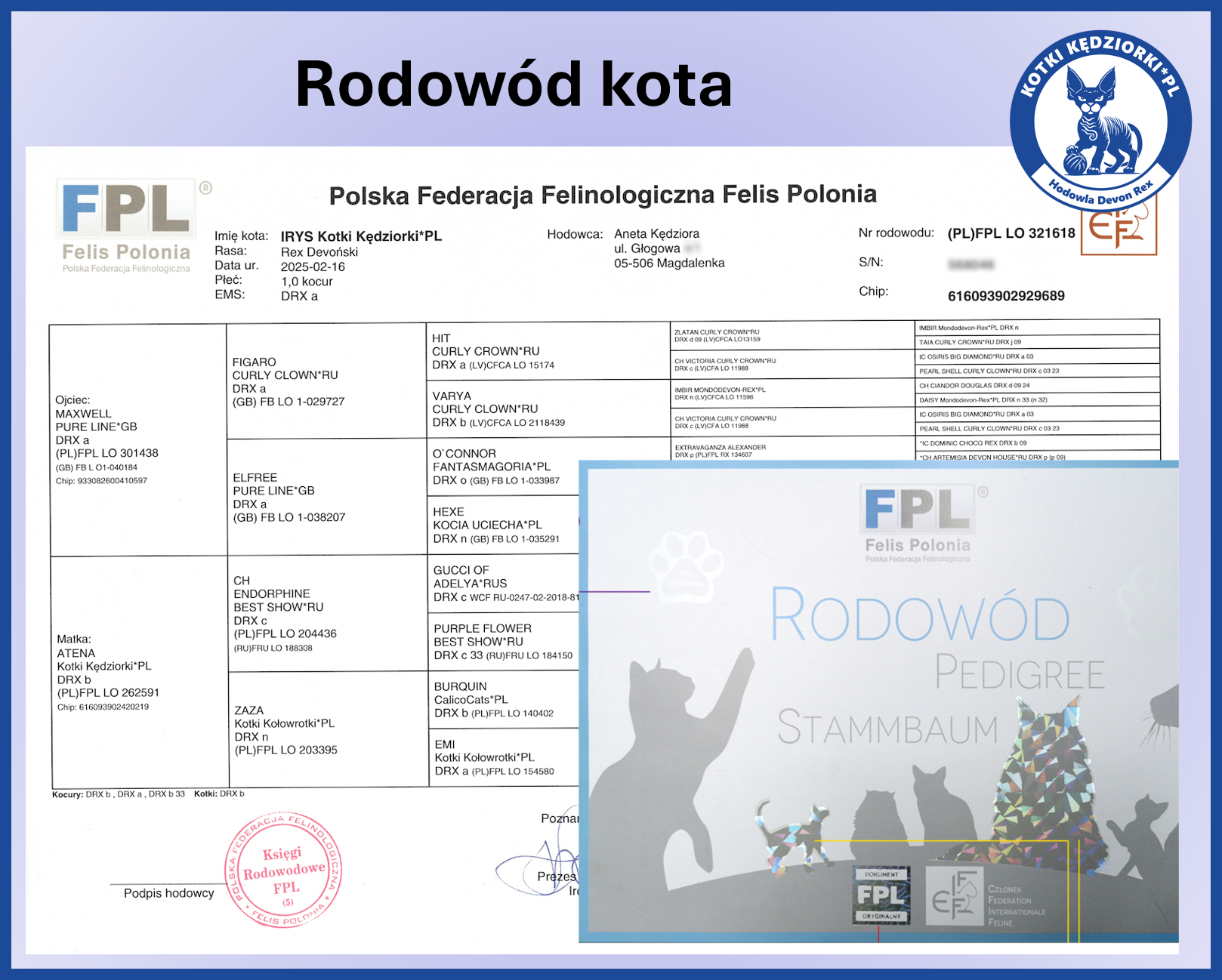
A cat's pedigree – what is it and why is it important?
A Pedigree is an official document confirming the origin of a purebred cat. It is issued by recognized feline organizations and serves as a kind of “ID card” for the cat, containing information about its ancestors, breed, and cattery. There are NO purebred animals without a pedigree! Every purebred cat from a legal cattery should have a pedigree, and if you are buying a cat, make sure you will receive it, absolutely and without any extra conditions.