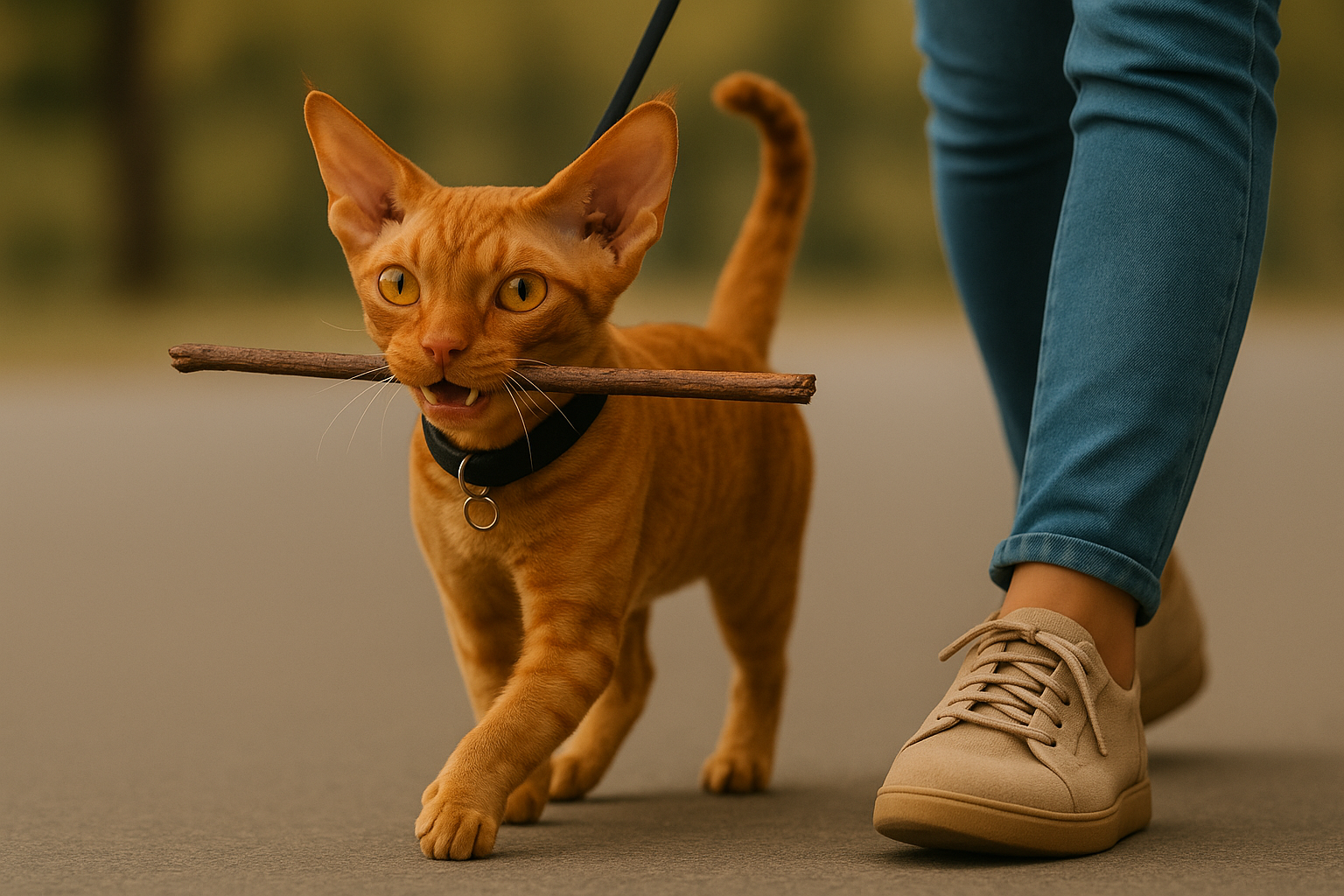
Walking a cat – is it worth it, is it possible? 2 benefits, 6 drawbacks, and 6 tips
Many cat owners wonder whether it is worth taking them out for walks and whether a walk with a cat is a good idea. And we too quite often get this question from the new families of our kittens.
Let us check the pros and cons of going outside with a cat and what to pay attention to if you decide on such a step.
Additionally, this topic came up after our appearance on Dzień Dobry TVN, where we tried to answer the question Marcin Prokop „why cats should rather not go outside” (he asked them in the recording from 6:25 and then 7:15).
We were also inspired to write this post by Dr. Weronika Penar, a cat behaviorist running a website and blog Purr Science, scientifically about cats, who in recent days on her on Facebook published two posts about flaws and advantages of going out with a cat. We highly recommend reading them, with us it will be brief whereas Weronika described it in a more thorough way.
A few myths and facts about cats going outside
There are many myths concerning cats going outside and many people are not aware of the dangers lurking there.
💡 Outdoor cats (unsupervised) often have accidents, get bitten or poisoned
💡Outdoor cats (unsupervised) have a negative impact on the environment decimating populations of small animals (it is their natural hunting instinct)
💡Cats are not dogs – they do not need to „run off” their energy or „get to know new places”
💡But yes – cats need stimuli, challenges, stimulation and play (especially Devon Rexes)
That is why we always, to our new families, we very strongly advise against letting cats out alone (and in fact even as much as possible – we forbid it).
We also suggest rather not to take them out on a leash or in a stroller, but here we do give a few tips, if someone really wants to do it and it genuinely gives the cat pleasure (more on that in a moment). However, if you want to know why and what the pros and cons of it are – then read on.
Disadvantages and risks
❌ Stress – not every cat likes going out; many cats feel uncomfortable outside the home and may experience strong stress or fear of noise, other animals or unfamiliar surroundings. The same applies to getting used to a harness/leash – most cats don't like restricted movement.
❌ Behavioral problems – some cats after walks may become overactive, aggressive, start to mark territory in the home…
❌ The risk of escape – even with a lead and harness there is a risk that the cat will break free and run away if it gets frightened. Many times we have seen adverts from people searching for cats that broke free from them like that.
❌ Parasites and diseases – contact with grass, soil or other animals increases the risk of infection with parasites (fleas, ticks) or viruses carried by wild cats. With an outdoor cat (especially unsupervised) it is definitely worth vaccinating the cat against rabies!
❌ Aggressive animals and people – on a walk a cat may meet dogs, other cats and other animals, which may not react to it in a friendly way. People also behave in various ways (even children who seemingly like cats can harm them). A cat may also eat things unsuitable for it (rather by accident, but still).
❌ Routine – cats need routine; if we go out with it once, it will want to go out regularly. And if we don't do that, its frustration will grow, and it will try to slip out at every opportunity or manifest its dissatisfaction (e.g. by scratching the door or the wall next to the exit).
Remember that such a walk should be a pleasure above all for the cat, so if you go out with it and see symptoms of stress (it breaks free, cowers, hides under a bush, meows throatily) – then definitely give up on those walks, because they may turn out to be a pleasure only for you (and an apparent one at that).
The benefits of walks with a cat
✅ Stimulation and entertainment – the cat gets to know new smells (it can exchange them, sniff around), new sounds and surroundings. However, all this is not necessary for the cat to function and you can provide it with similar stimulation and entertainment at home.
✅ An alternative for indoor cats – if a cat lives in a flat, walks can be a way to give it contact with something new (nature) without exposing it to dangers. Especially for cats that desperately want to get out of the house (and have a tendency to escape). But in this context we also recommend reading the paragraph „What instead of walking your cat?” below.
How to go outside with a cat safely?
All right, you have read the disadvantages and advantages. So now the responsibility for the decision rests on you as the carer.
If you still you still want to go outside with your cat anyway – then read these few tips on how to do it safely:
Choose the right harness – an ordinary collar is not suitable for walks! Cats easily free themselves from it. Choose a well-fitted harness, preferably in a „vest” style.
Train at home – before you go outside, let the cat get used to the harness and lead at home.
Find a quiet place – the first walks should take place in a quiet, safe environment, e.g. on the housing-estate lawn or in the garden.
Do not force the cat – if a cat evidently does not want to go out, it is not worth forcing it to do so. Some cats simply prefer to stay at home.
Protect the cat against parasites – before going out take care of regular deworming and protection against fleas and ticks, and a rabies vaccination is also advisable.
Observe the cat's behavior – if on a walk the cat seems stressed or frightened, it is better to go back home and try another time, or give up altogether.
Oh and one more thing – we do not demonise going out with a cat, and we know that some cats like it very much (here again the individual character of each individual speaks up), we also know a number of examples where both the cat and the owner are very glad of it. But that rather exceptions to the rule and we prefer that you know our opinion on this topic.
What instead of going outside with the cat?
If we make the decision that we will not go outside with the cat (which we recommend), then we can to bring it a bit closer to a natural environment.
There are several ways to do this:
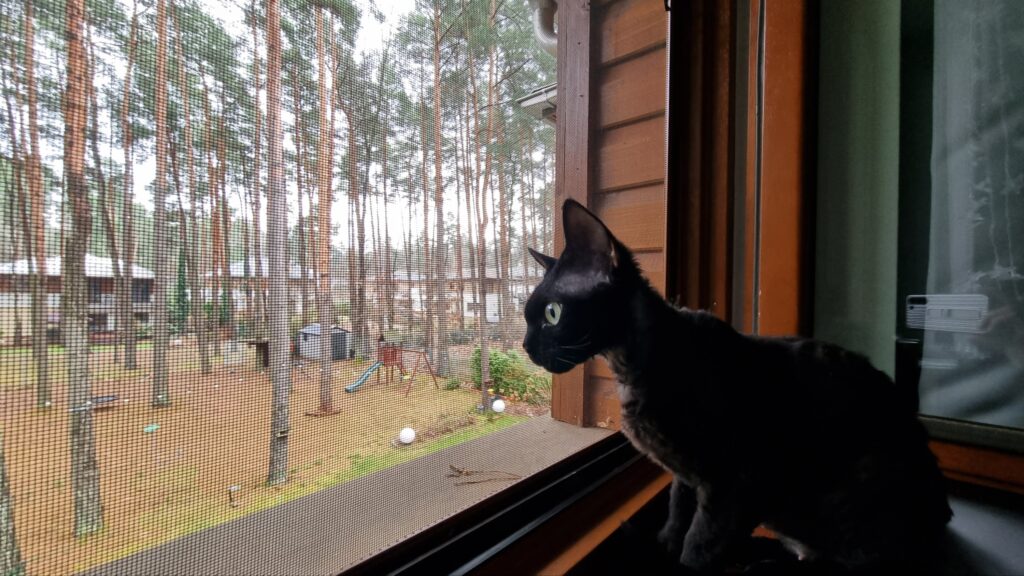
A netted balcony (let us remember not to let the cat out onto the balcony if we do not have netting!)
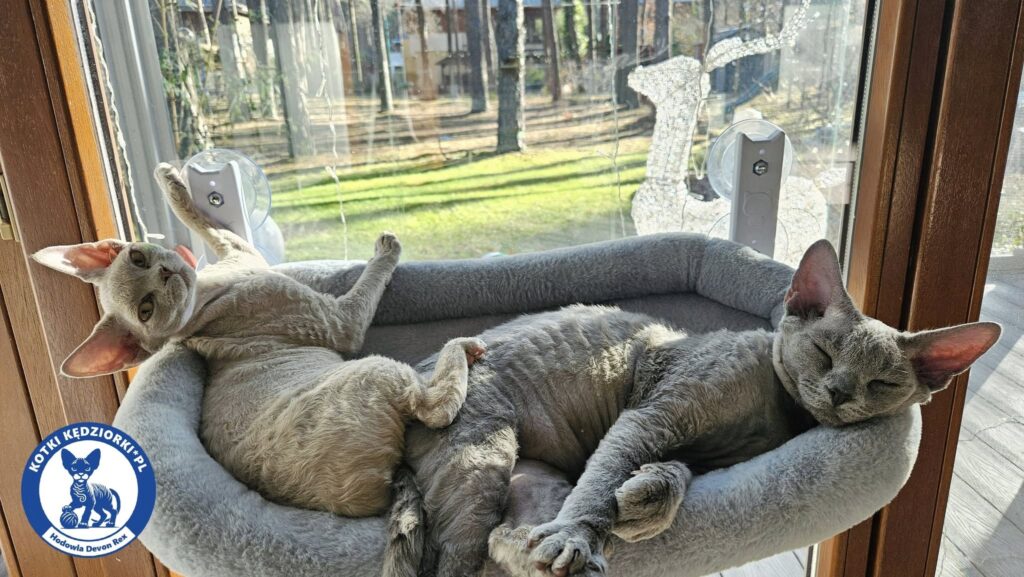
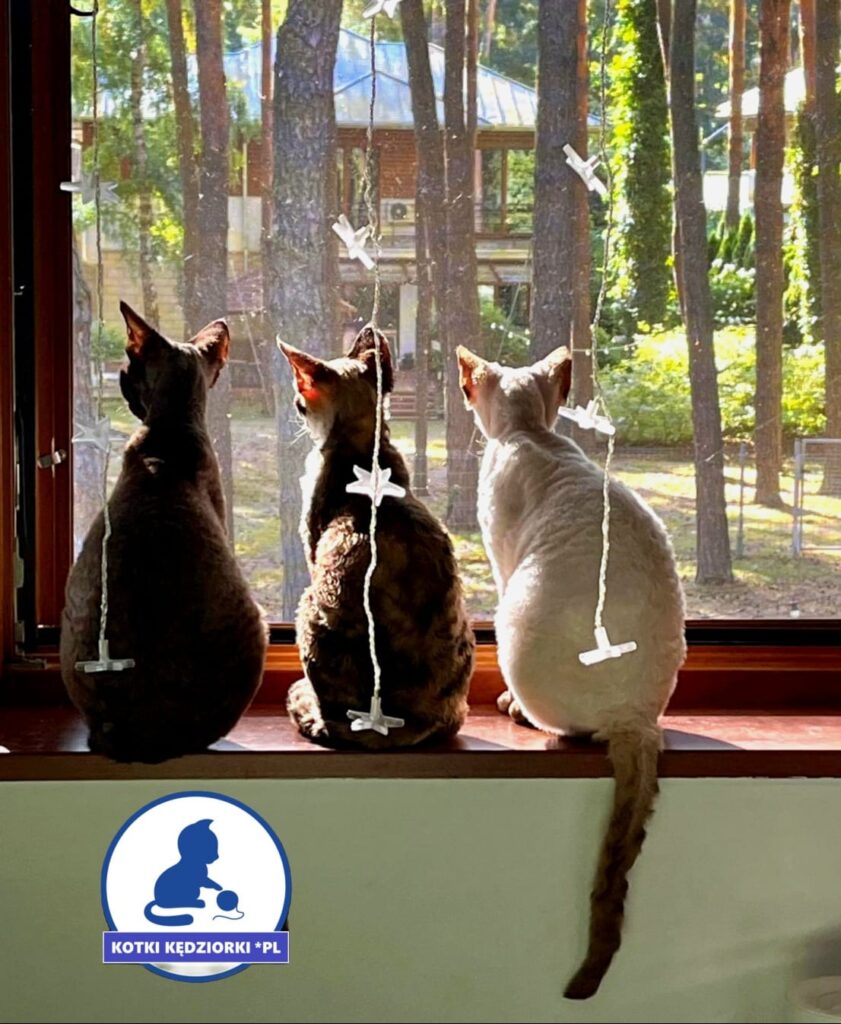
A dedicated place on the window for observation (mind tilt-open windows!)
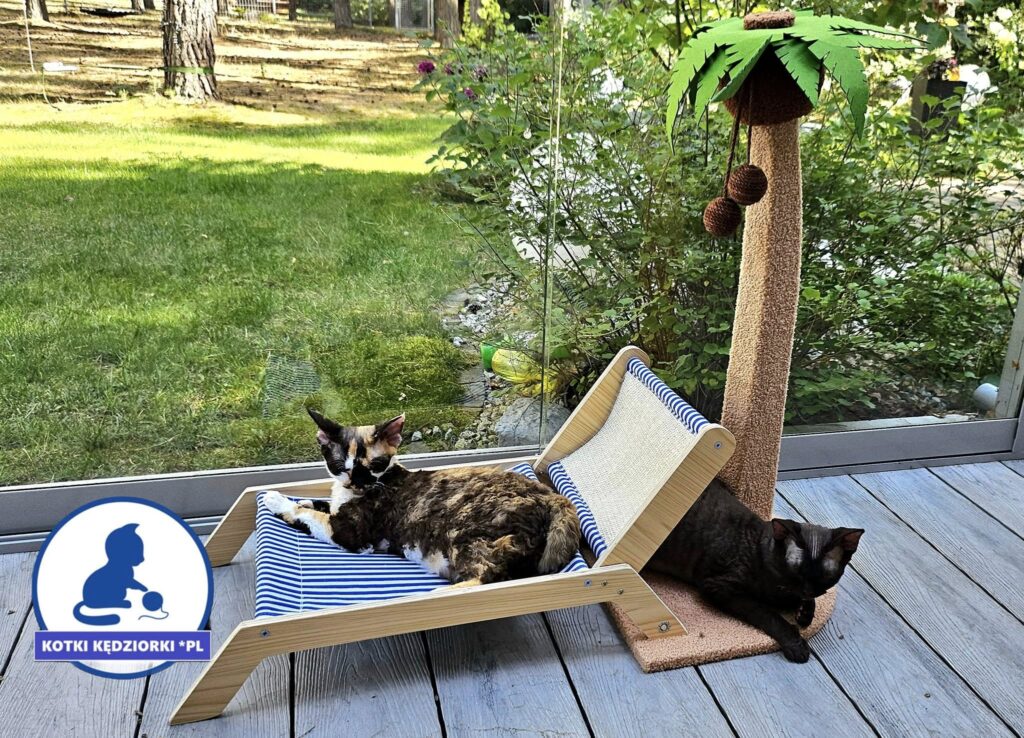
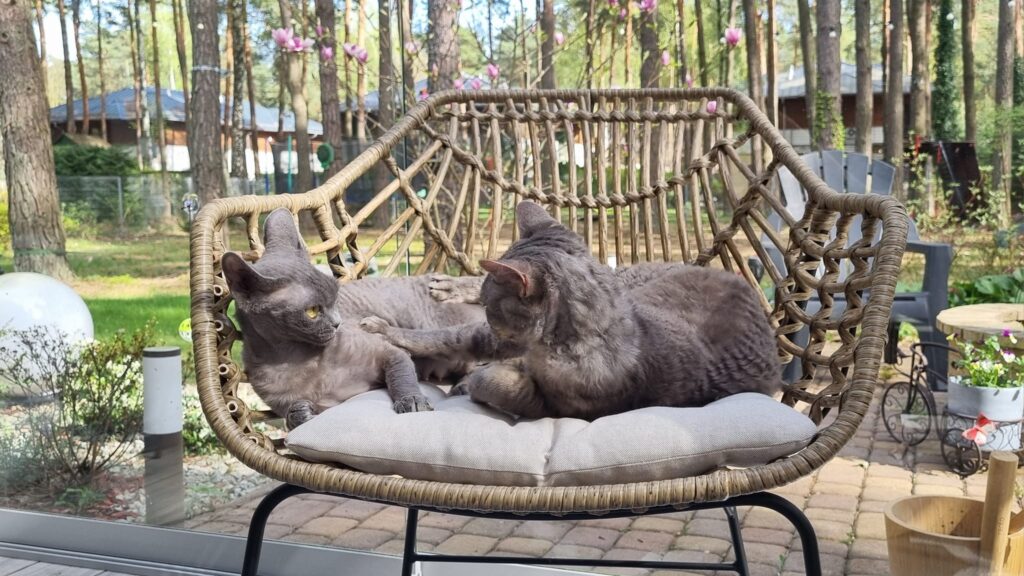
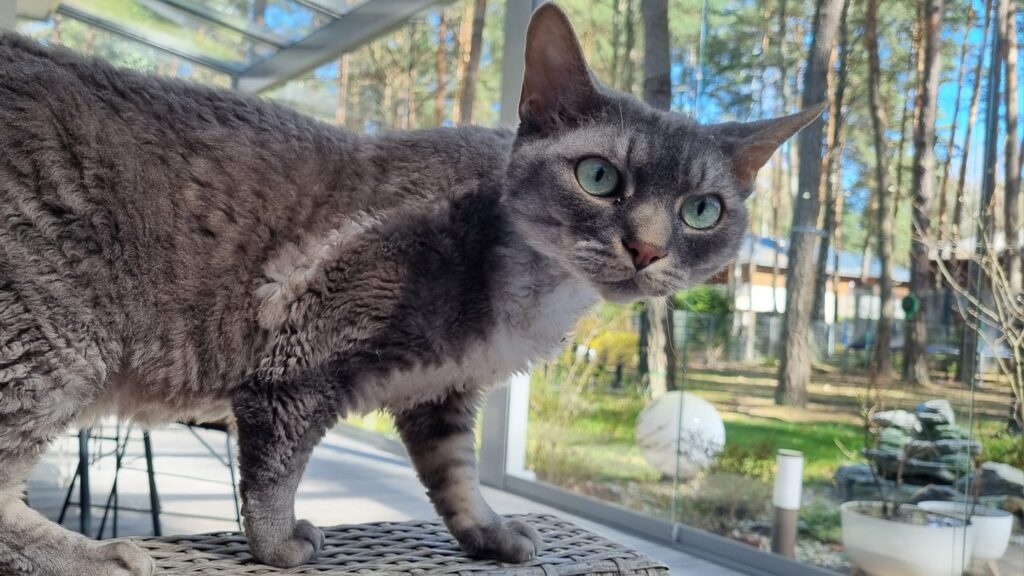
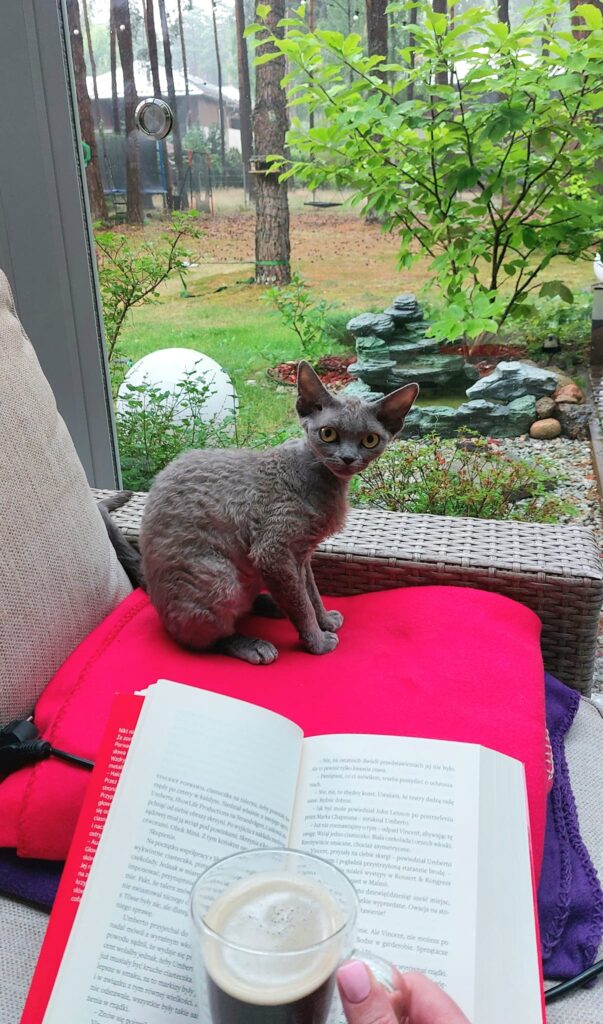
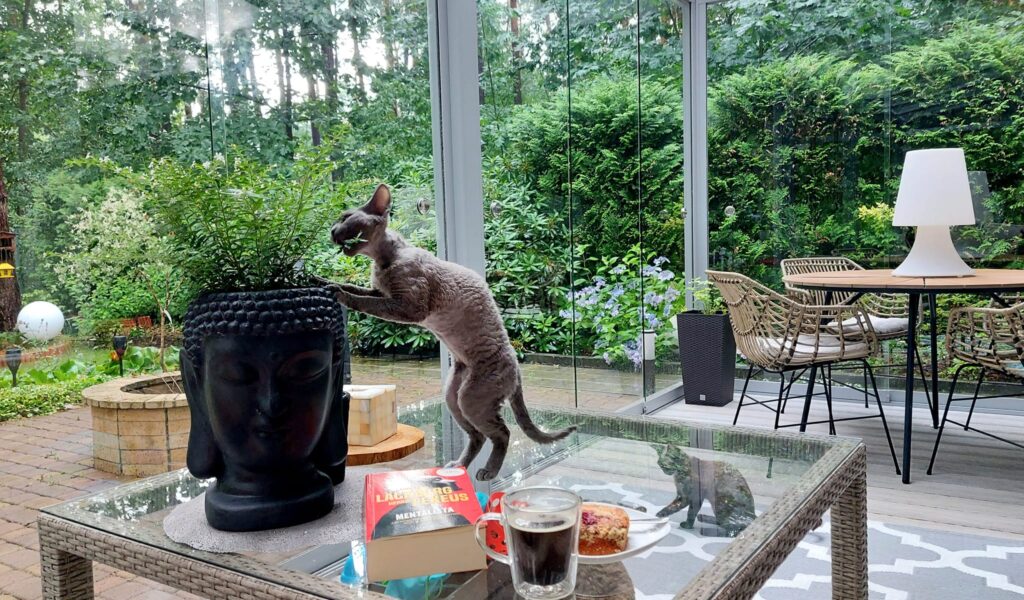
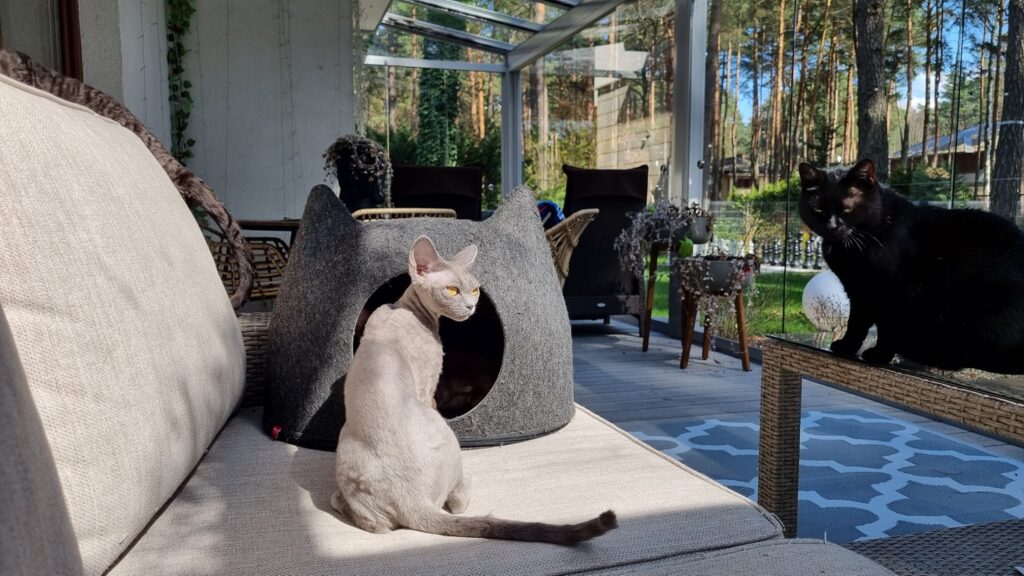
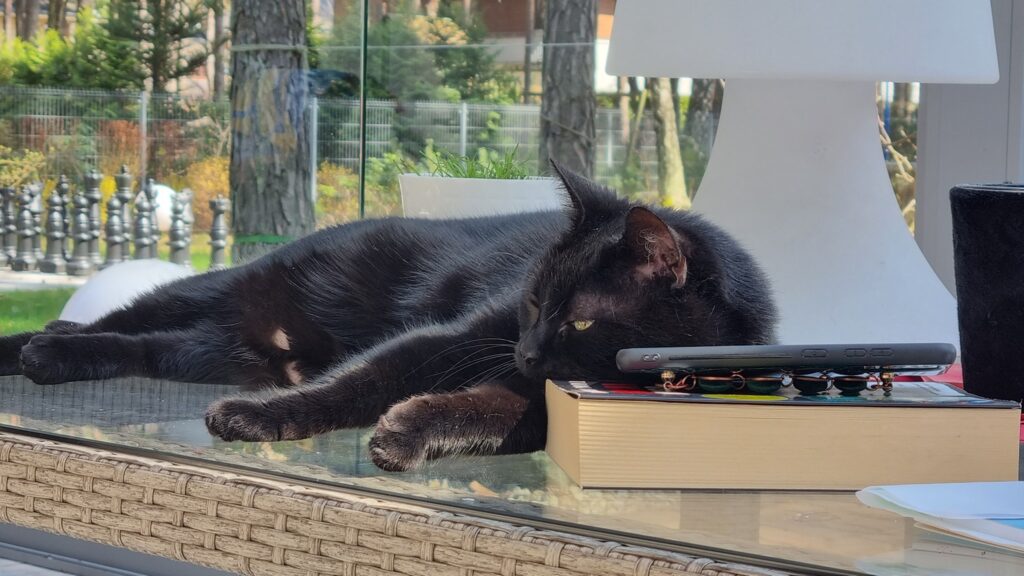
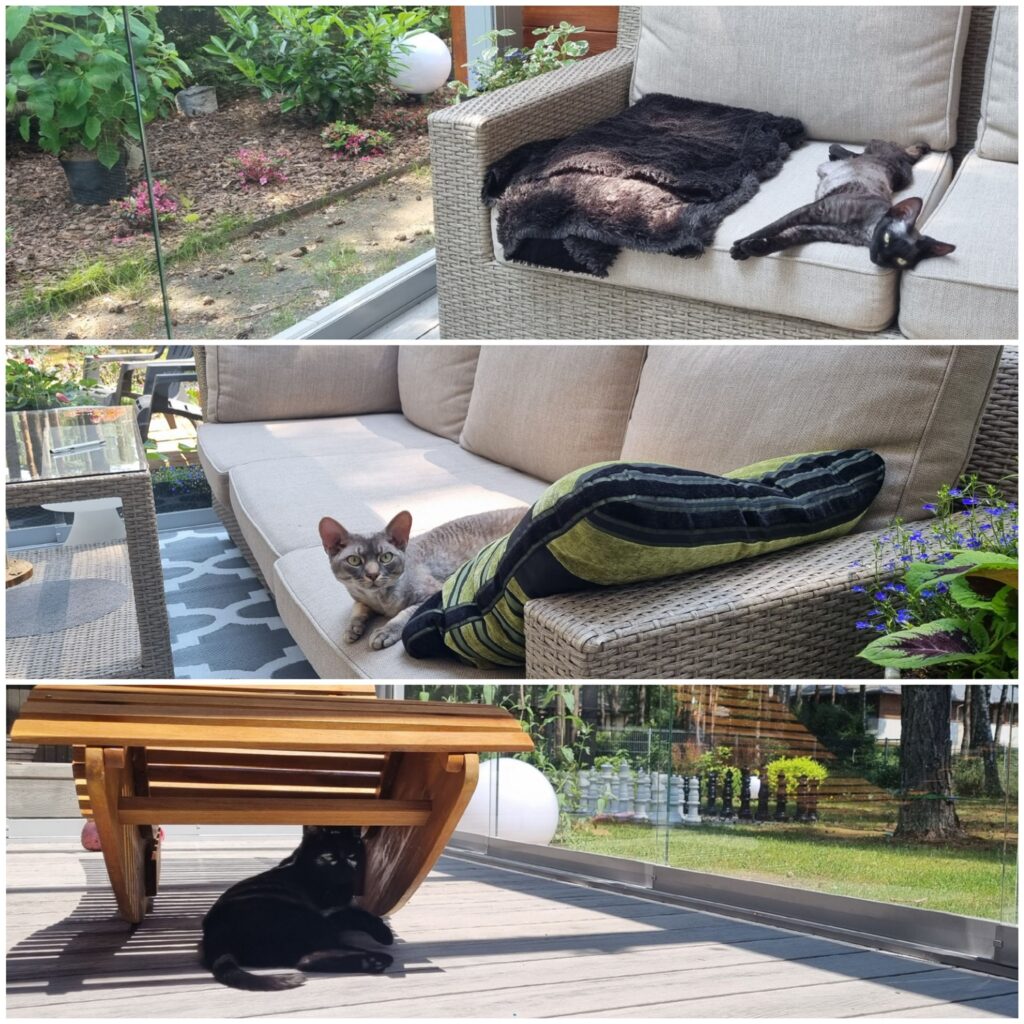
An enclosed balcony (as in our photos below)
A dedicated aviary in the garden (if only you have the space and funds – it is a great thing!)
A properly prepared whole garden (with netting protecting against getting out)
These situations are ideal in that we have an “outdoor” cat (doing it safely, in accordance with its biological rhythm and additionally benefiting from these advantages of going outside), but we do it in an environment that is controlled and safe for it.
If you are just such a couple – one person browsing kitten photos with a sparkle in their eye, and the other asking with a raised eyebrow “and what do we need this for?” – this guide is for you. You will see how the cat versus dog comparison stacks up and how to convince (try to convince) your other half.
Cat socialisation is one of the most important stages in a cat's life, especially in its first days and weeks. It is precisely then that its reactions to the world, to people and to other animals take shape. In our cattery we attach enormous importance to this.
Microchipping your cat (chipping cats) – read about what a chip is, how it works, what a new Parent should know about it, what the costs look like, what microchipping cats involves (and whether it is painful), whether there are legal requirements for microchipping, whether every cat can/should have a chip, a few myths about chips, how catteries approach it, how we approach it, and finally two examples of how to use chips in a cat in an interesting way 🙂